
Brandon Allen
June 1, 2026 · Newsletter
Protecting Veterans Means Ending the Cycle of Neglect
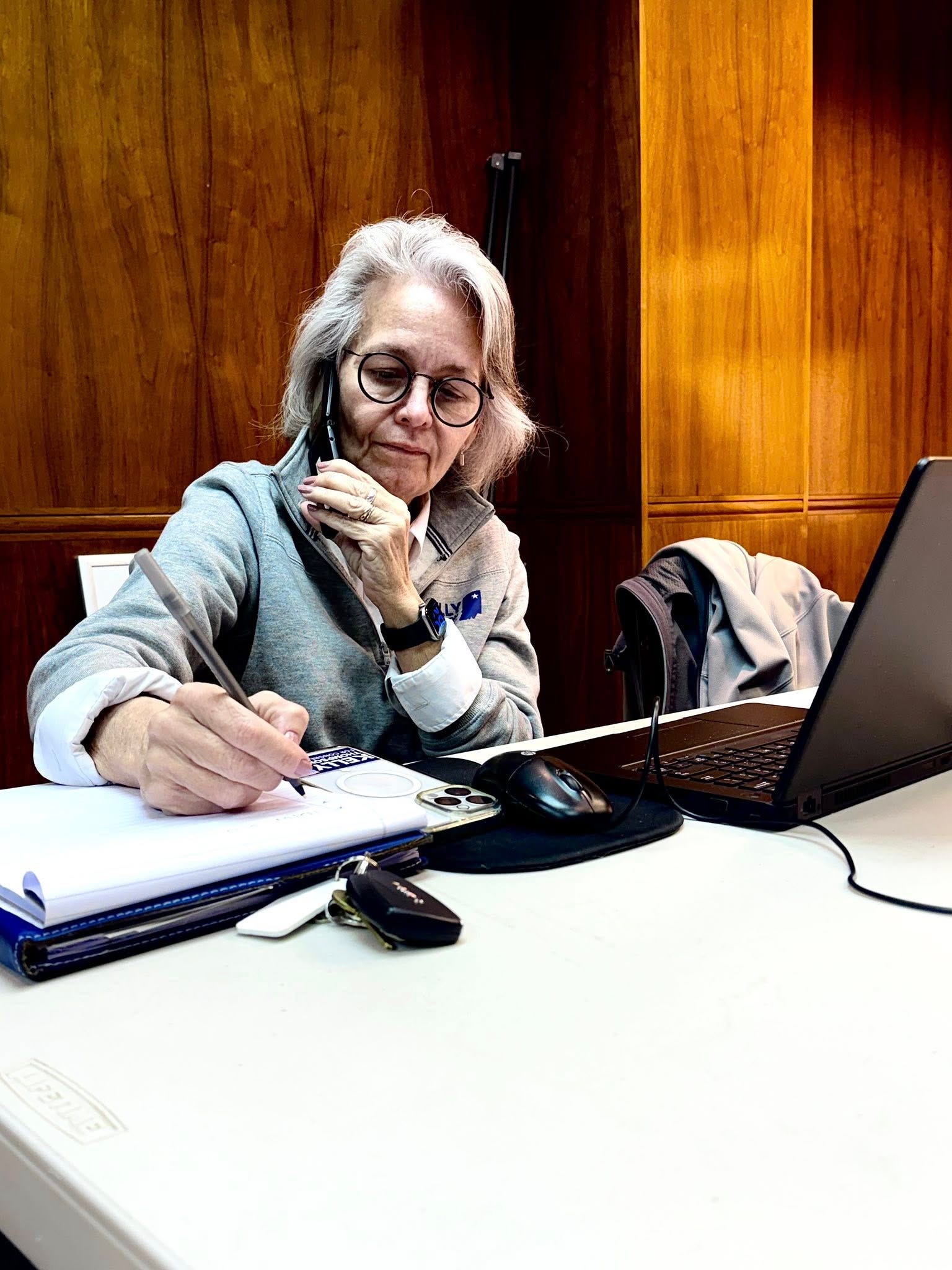
America asks an enormous amount from the men and women who serve in uniform. We ask them to sacrifice time with their families, risk their physical and mental health and carry burdens that most Americans will never fully understand.
But while Kelly Thompson’s veterans’ policy is designed to support all veterans and military families, she also believes the country must confront a larger truth: the growing cycle of military conflicts and endless wars cannot continue indefinitely.
Yet, supporting veterans cannot begin only after the damage is already done.
It must also include a commitment to preventing future generations from experiencing the same trauma, lifelong injuries and emotional scars that so many veterans carry home from war.
America’s strength is not measured only by military power. It is also measured by its ability to pursue diplomacy, prevent unnecessary conflict and protect future generations from being placed into avoidable wars without accountability or clear purpose.
For Thompson, standing with veterans means acknowledging both responsibilities at once: caring for those who already served while working to reduce the number of families forced to endure those same sacrifices in the future.
That is why Thompson is calling for a comprehensive approach to veterans’ healthcare, housing, mental health treatment, career support and family stability. A policy focused on solving real problems instead of offering symbolic gestures.
For too many veterans, the battle does not end after military service. It simply changes form.
Across the country, veterans continue facing long wait times for healthcare appointments, delayed disability claims, housing instability and mental health systems that are often difficult to navigate at the exact moment support is needed most.
Veterans should not have to become experts in government bureaucracy simply to receive the healthcare and benefits they have earned through service.
A major focus of Thompson’s proposal is improving access to healthcare by reducing wait times, modernizing scheduling systems and expanding coordination between VA facilities and community healthcare providers when the VA cannot meet demand quickly enough.
The proposal also places strong emphasis on expanding healthcare access in rural communities, where veterans often face longer travel times, fewer providers and limited access to specialty care. Thompson argues that where a veteran resides should never determine whether they can receive timely treatment.
Telehealth expansion, community-based care partnerships and improved healthcare coordination are all central parts of the proposal.
Mental healthcare is another major priority
Thompson argues that PTSD, depression, anxiety, traumatic brain injuries, military sexual trauma and recovery of addiction must be treated as serious healthcare needs, not secondary issues veterans are expected to manage alone.
Her proposal calls for expanded trauma-informed counseling services, crisis response programs, peer support specialists, suicide prevention efforts and long-term therapy access so veterans can receive help before reaching a crisis point.
The policy also supports stronger specialized treatment services for veterans dealing with service-connected conditions, including neurological care, rehabilitation programs, prosthetics, chronic pain treatment and adaptive technologies for injured veterans.
Thompson says veterans deserve priority access to care directly connected to their service and should never be left waiting behind administrative delays for treatment they already earned.
Housing stability is another core component of the proposal
No veteran who served this country should be left homeless, living in shelters or struggling to find stable housing after returning home.
The proposal supports housing-first initiatives, rental assistance programs, emergency shelter coordination and partnerships with local communities designed to move veterans from crisis into long-term stability instead of temporary solutions.
The plan also focuses heavily on helping veterans successfully transition into civilian life
Military service builds leadership, discipline, technical expertise and responsibility, yet many veterans still struggle to transfer those skills into civilian careers. Thompson’s proposal supports apprenticeships, credential recognition, workforce training, union pathways and small-business support to help veterans secure stable employment opportunities after service.
But one of the most important parts of the proposal centers on healthcare continuity for military families transitioning out of active duty.
Thompson is calling for major improvements to the Transitional Assistance Management Program, known as TAMP, which provides temporary TRICARE healthcare coverage for eligible service members and families after separation from active duty.
Currently, many families experience gaps in healthcare coverage during transition periods because of confusing eligibility requirements, enrollment delays or limited timelines. Thompson argues that no military family should suddenly lose access to doctors, prescriptions, pediatric care or mental health treatment simply because paperwork failed to process fast enough.
Her proposal would expand eligibility requirements, simplify enrollment procedures, improve communication before separation and extend coverage timelines so families have enough time to secure long-term healthcare without dangerous interruptions in care.
The proposal also recognizes that military families themselves often carry enormous sacrifices that continue long after active service ends.
Military spouses, children and caregivers frequently navigate deployments, interrupted careers, emotional strain and long-term caregiving responsibilities. Thompson’s plan supports expanded caregiver assistance, childcare support, counseling services and relocation assistance for families facing long-term care challenges.
The proposal further addresses survivor benefits for families who lose loved ones because of service-connected injuries, toxic exposure or service-related mental health conditions.
Thompson argues that grieving families deserve immediate stability and compassionate support. We cannot allow years of delays, denials and bureaucratic obstacles while our veterans are attempting to rebuild their lives.
At its core, Thompson’s proposal is built around a simple principle: honoring veterans requires more than patriotic rhetoric.
It requires building systems that work.
For Thompson, protecting veterans means ensuring they can access healthcare without endless delays, receive mental health treatment without stigma, transition into civilian life with stability and raise families without constantly fighting broken systems for support.
And it also means recognizing that true support for veterans includes doing everything possible to prevent future generations from enduring the same devastating consequences of endless war.
Because the responsibility to veterans should not end once their service does. Neither should the country’s responsibility with protecting the generations that follow them.
Paid For and Authorized by Kelly Thompson For Congress